
Discovering What it Means to Play Piano by Ear: Tips and Techniques for Aspiring Musicians
Master the art of playing piano by ear with practical tips and techniques designed for aspiring musicians of all levels.
Introduction
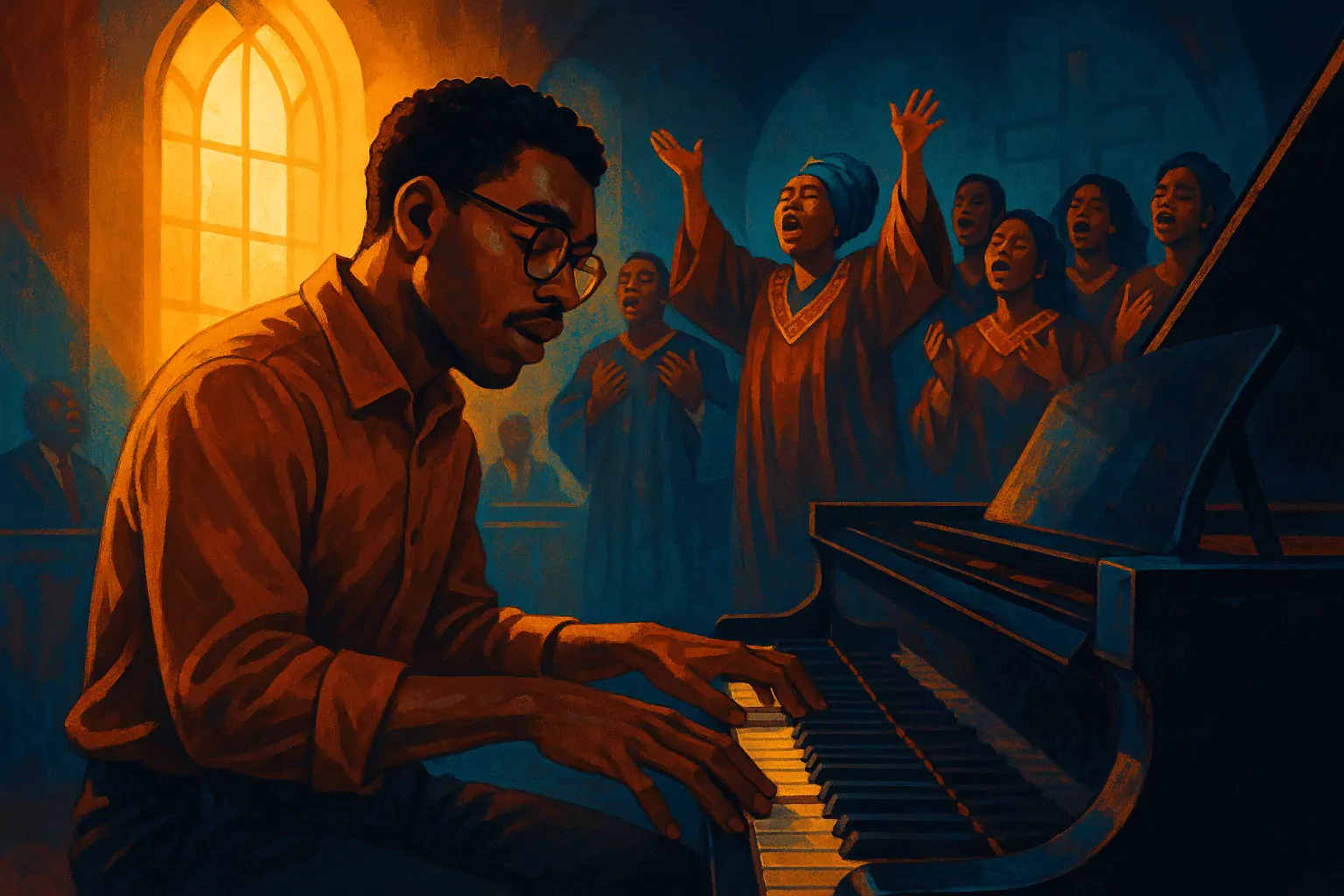
All right, here is where we start. You want to know what is playing piano by ear, and you want it in plain language. Playing by ear means you hear the melody, feel the chords, and your hands find them without reading. It is pattern recognition with sound leading your fingers. Church players use it every Sunday because the flow changes, and the singer sets the key. You listen first, then you move. That is the whole idea, and we will build it step by step.
Hearing first: what is playing piano by ear in real life
You hear a melody, then you match it on the keys. That is the first move. Start with simple songs like Amazing Grace or Happy Birthday. Sing the first note, then find it with your right hand. Once you have the first note, count the steps up or down, one, two, three, to trace the rest. Your ear leads, and your fingers follow because the path is small and clear.
All right, now listen for the harmony under that melody. Most church songs sit on three main chords in the key. One, four, and five. Add the six minor when the bridge gets tender. You hear the bass move first, then the chord shape settles. You stack this on top of the melody and it clicks.
The daily workout: scales, intervals, and chord drills for what is playing piano by ear
You train your ears and hands at the same time. Do five minutes of major scales, hands separate, steady and slow. Then switch to interval callouts. Play a C, sing up a third, then check it on the keys. Do seconds, thirds, fourths, and fifths until your mouth and fingers agree. This builds a map in your head that never leaves you.
And now the chords. Drill triads and sevenths in one, four, and five. Keep your left hand on solid roots, even octaves, to anchor time. Then practice the Nashville number system. If the song moves one to six minor to four to five, you can move it to any key without fear. Your church will change keys on you. This keeps you calm and ready.
From the shed to Sunday: apply what is playing piano by ear on the platform
All, let us put this in the service. Start with a simple I IV V vamp under prayer. Keep a quiet left hand and soft right hand voicings. Watch the leader. When they lift the melody, walk to the five, then resolve home. If the key shifts up, use your number map. Your fingers move the same way, just higher.
Okay, here is a quick practice plan that works. Pick one hymn and one modern chorus. Transcribe the melody by singing it first, then playing it in two keys. Write the numbers, not the letters, so you can switch keys fast. Add one passing chord, like a two minor before the five. Keep it clean, then save the big moves for the last chorus when the room is ready.
And for a straight answer to the question itself, read this link on your screen now. Here is what is playing piano by ear. Bookmark it and come back during practice.
Conclusion
All right, you know the path now. Start with melody, add the bass, then shape the chords. Use intervals and the number system to move fast in any key. Keep your practice short, focused, and daily. Apply it on simple vamps, then carry it into full songs. When you are ready for a clear plan, check our lessons, read more at the ear training blog, or reach out on the contact page. You will hear the change in your playing before the month is out.
References for continued study: read this Berklee ear training primer for concepts that pair well with church work.
Frequently Asked Questions
What is playing piano by ear compared to reading sheet music?
Playing by ear means you lead with sound, not paper. You hear the melody and chords, then reproduce them by feel and pattern. Reading means you follow symbols on a page and copy them to the keys. Both are useful, but ear first keeps you flexible when the service shifts. Ear players listen for intervals and the bass line to pick the right chords. Readers bring precision, then learn to loosen up and listen while they play.
How long does it take to play by ear for church?
If you practice daily, you will feel changes within two weeks. By six weeks of steady work, you can hold a basic service in two friendly keys. Three months in, your transitions smooth out and your left hand gets steady. The number system speeds this up because it strips away key fear. Consistency wins here. Short, focused sessions beat long, random ones every time.
Do I need perfect pitch to learn this?
No, you do not. Relative pitch is the tool you need. That means you know how notes relate inside the key. You train it by singing intervals, matching them, and checking yourself. Over time, your ear locks onto the one, four, and five without thinking. That is enough to cover most songs in a service.
Our motto is: “Don’t just play the piano, understand it!” Our goal is to ensure you understand the theory behind what you play. We make it simple and easy to begin your journey on the path to learning the piano!
FOLLOW US ON SOCIAL
OUR LOCATION
PlayByHear
7708 Camelot Road
Fort Worth, Texas 76134
(817) 330-3996
© 2012 - 2026 Play By Hear